
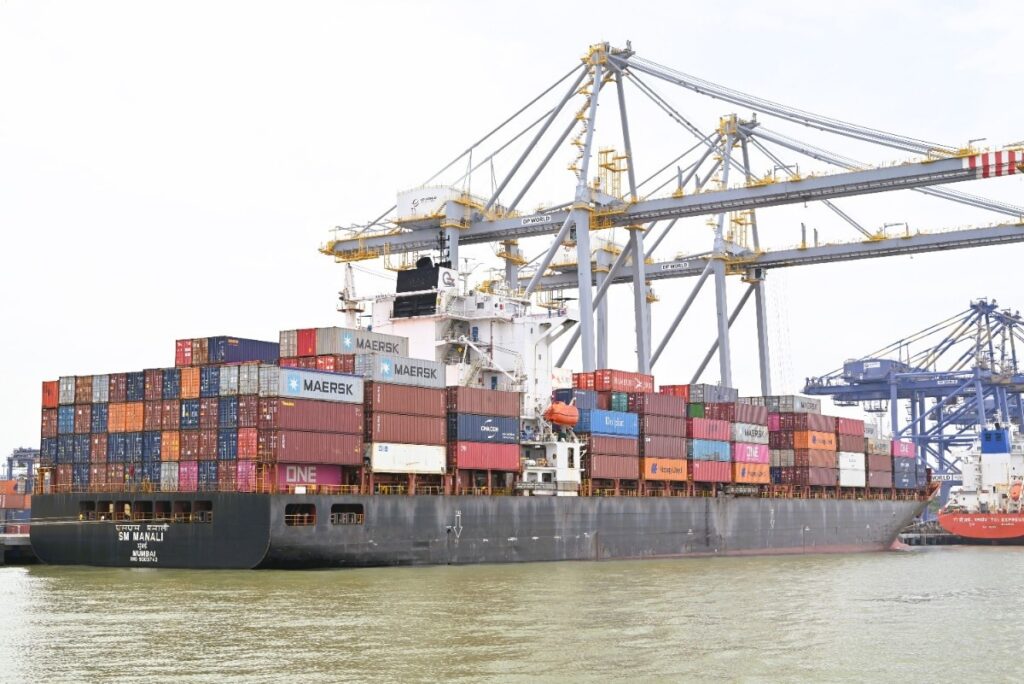
In the modern global economy, trade is no longer just about moving goods from point A to point B. The focus has shifted to “strategic investment corridors”—complex ecosystems that integrate supply chains, capital flows, and digital infrastructure. These corridors are the arteries of global commerce, and they are determining where the next decade of economic growth will occur.
The Rise of the India-ASEAN Corridor
One of the most significant examples is the rapidly evolving India-ASEAN corridor. Representing a combined GDP of over $8 trillion, this axis is emerging as a strategic alternative to China-centric supply chains . Trade between the two regions has surpassed $120 billion, but the bigger story is how they are being rewired for resilience.
Key Drivers of the Corridor
- Manufacturing Integration: The corridor connects complementary manufacturing hubs. India has built scale in electronics, pharmaceuticals, and auto components, while ASEAN excels in semiconductors, textiles, and food processing. This allows companies to create resilient, multi-sourced supply chains .
- Financial Connectivity: Singapore is anchoring the financial architecture of the corridor. As Indian companies expand into Vietnam and Indonesia, many are centralizing treasury operations in Singapore, which also acts as a gateway for global investors into India’s digital economy .
- Digital Infrastructure: Cross-border financial integration is accelerating through digital rails like the UPI-PayNow instant payments link. This digital connectivity is reducing settlement times and improving capital efficiency .
Infrastructure on the Ground
India’s domestic infrastructure development supports this vision. The National Industrial Corridor Development Corporation (NICDC) is building smart industrial cities along Dedicated Freight Corridors (DFCs). Cities like Dholera Special Investment Region (SIR) combine port, rail, air, and expressway connectivity to create “plug-and-play” hubs for global manufacturers .
Conclusion
Strategic corridors are the engines of economic growth. They integrate logistics, policy, and investment to create a multiplier effect that traditional trade agreements cannot replicate. For businesses and investors, understanding these corridors is essential to capturing long-term strategic advantages.