
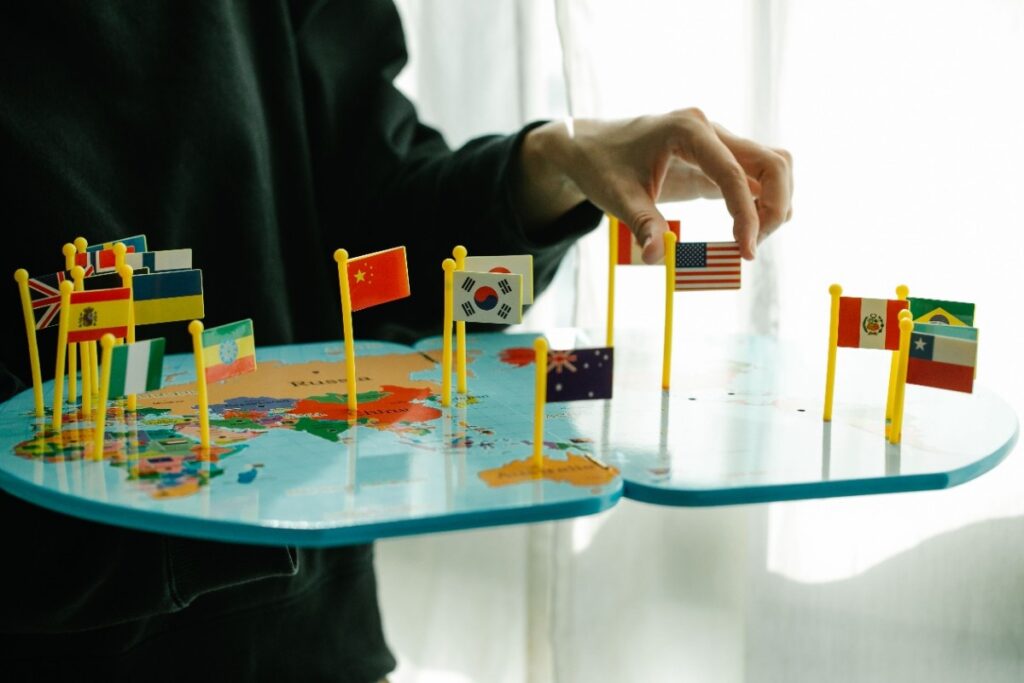
While economic and defense agreements form the formal structure of international relations, cultural exchange provides the foundation of trust and mutual respect that makes them work. In an interconnected world facing polycrises, understanding a partner’s culture, philosophy, and societal values is becoming essential for genuine global cooperation.
Understanding Beyond Policy
Different nations have distinct ways of thinking and cultural habits that influence their policymaking. As one expert on African studies noted, “Understanding each other’s culture can help both sides truly grasp each other’s national policies, leading to mutual respect, genuine political trust and beneficial economic collaboration” .
- Philosophical Bridges: The principles of win-win cooperation in Chinese diplomacy find resonance in the African philosophy of Ubuntu, which emphasizes unity and cooperation. Recognizing these shared values helps build stronger bridges between continents .
- Sharing Governance Experiences: There is a growing interest among nations in the Global South to learn from each other’s governance experiences. For example, African nations are highly interested in understanding China’s models for poverty alleviation and grassroots governance, not to replicate them directly but to find applicable insights .
The “Civilisational” Dimension
The rise of alliances like BRICS+ has introduced a new dynamic of “civilisational internationalism,” where cultural dialogue is used as a framework for global engagement . This goes beyond simple cultural performances; it involves the exchange of academic thought and historical narratives to reshape the global order. This approach seeks to address historical power imbalances and offers a platform for South-South cooperation rooted in mutual respect .
Conclusion
As global power structures evolve, cultural exchange serves as a vital mechanism for de-escalating conflict and building “win-win-win” partnerships . By investing in educational exchanges, artistic collaborations, and philosophical dialogue, nations can move beyond transactional relationships to build the trust necessary to solve shared global challenges.